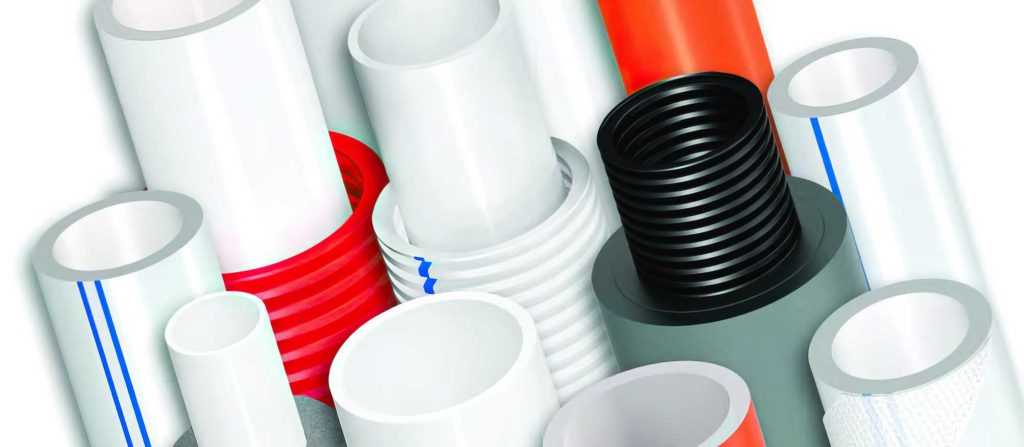
PEX-A piping has become one of the most advanced and reliable plumbing solutions used in modern construction. Known for its flexibility, durability, and superior performance, PEX-A is widely used in both domestic (residential) and commercial plumbing systems. When paired with PEX-A expansion fittings, it offers a long-lasting, leak-resistant solution that outperforms many traditional piping materials.
What Is PEX-A Piping?
PEX-A (cross-linked polyethylene, method A) is a type of plastic piping manufactured using the Engel method, which creates the highest level of cross-linking among PEX types. This process gives PEX-A its exceptional flexibility, strength, and resistance to cracking. Unlike copper or rigid plastic pipes, PEX-A can bend around corners, reducing the need for fittings and lowering the risk of leaks.
PEX-A piping is commonly used for hot and cold water supply lines, radiant heating systems, and hydronic applications. Its ability to withstand temperature changes and pressure makes it suitable for a wide range of environments.
Understanding PEX-A Expansion Technology
PEX-A expansion is a joining method that uses an expansion tool to temporarily widen the pipe. A fitting is then inserted, and the pipe naturally contracts around the fitting, creating a strong, permanent seal. This method eliminates the need for crimp rings or clamps.
The expansion process offers several advantages:
- Full-flow fittings that maintain internal pipe diameter
- Leak-resistant connections due to the pipe’s natural memory
- Improved reliability over time
- Reduced pressure loss in plumbing systems
Because PEX-A expands and returns to its original shape, connections become tighter as the pipe ages.
Benefits of PEX-A Piping Systems
PEX-A piping provides numerous benefits for installers, builders, and property owners:
- High flexibility, allowing easier installation and fewer fittings
- Freeze resistance, as the pipe can expand without bursting
- Corrosion resistance, unlike copper or steel
- Quiet operation, reducing water hammer noise
- Long service life, often exceeding 50 years
These benefits make PEX-A piping a cost-effective and efficient solution for both small and large projects.
Domestic (Residential) Applications
In residential settings, PEX-A piping is commonly used in:
- Single-family homes
- Apartments and condominiums
- Renovation and retrofit projects
PEX-A is ideal for potable water systems, underfloor heating, and bathroom or kitchen plumbing. Its flexibility allows installers to run continuous pipe lengths, minimizing joints behind walls and ceilings. Homeowners benefit from improved water pressure, reduced maintenance, and energy efficiency due to better insulation properties.
Commercial Applications
PEX-A piping is also widely adopted in commercial environments such as:
- Office buildings
- Hotels and resorts
- Hospitals and healthcare facilities
- Schools and universities
- Industrial buildings
In commercial applications, PEX-A expansion systems provide high reliability and performance under constant use. The reduced number of fittings lowers the risk of system failure, while the material’s resistance to chemicals and scale buildup ensures long-term efficiency. PEX-A is also commonly used in radiant heating and cooling systems for large commercial spaces.
Why Choose PEX-A Over Other PEX Types?
Compared to PEX-B or PEX-C, PEX-A offers greater flexibility, better resistance to kinking, and superior expansion capabilities. If a kink does occur, PEX-A can often be repaired with heat, restoring the pipe to its original shape—something not possible with other PEX types.
In Conclusion
PEX-A piping and expansion systems provide a modern, efficient, and durable plumbing solution for both domestic and commercial applications. With its superior flexibility, leak-resistant connections, and long lifespan, PEX-A continues to set the standard for high-performance plumbing systems. Whether for residential homes or large commercial projects, PEX-A delivers reliability, efficiency, and peace of mind.
Contact us at Afripex for more information.